


APEC Summit Concludes with Declaration Urging Expanded Trade Amid AI and Demographic Challenges
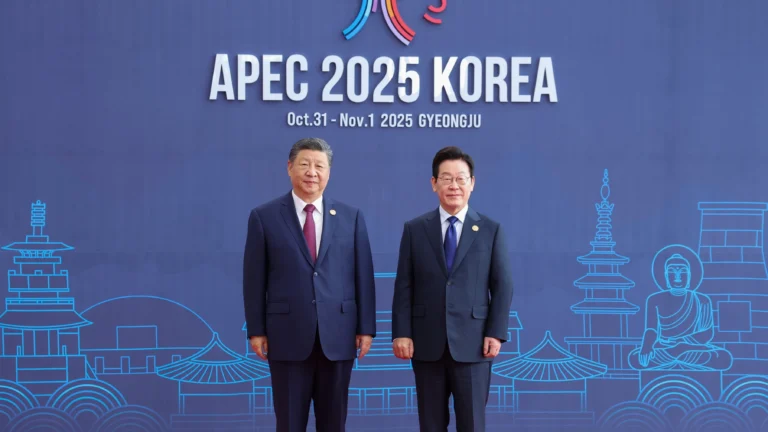
Photo: X/ @Chinadaily
November 1, 2025 Hour: 3:46 am
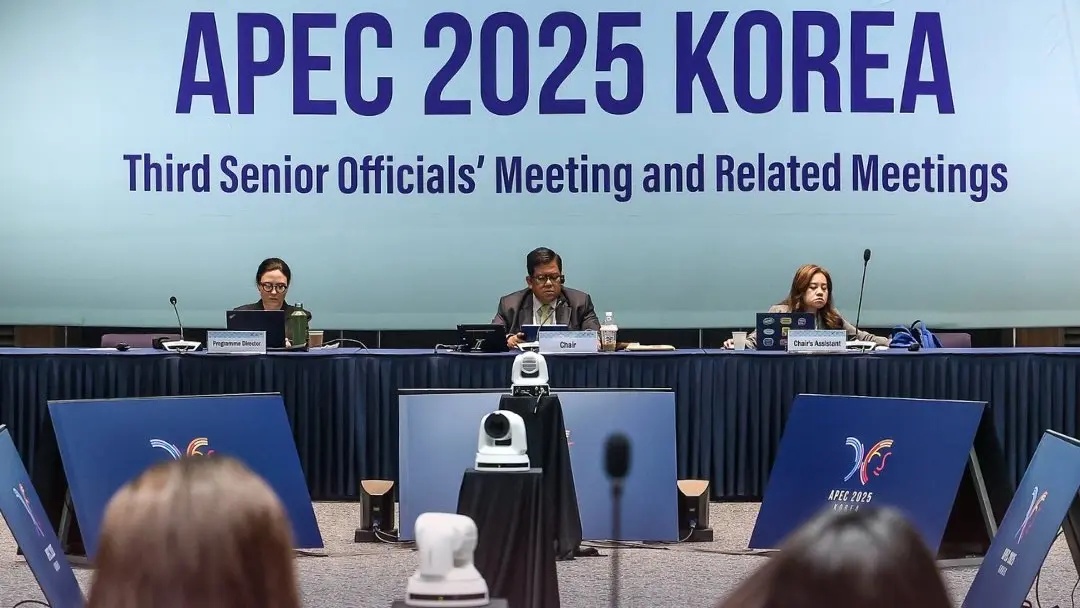
The Asia-Pacific Economic Cooperation (APEC) summit concluded on Saturday with the adoption of a declaration calling for expanded trade and cooperation, focusing on the challenges posed by artificial intelligence and demographic change.
The meeting was marked by a temporary easing of tensions in the ongoing tariff dispute initiated by the Trump administration between the United States and China.
RELATED: South Korea’s President Warns of “Tumultuous” Future for Global Trade as APEC Summit Opens
“For structural reasons, the Asia-Pacific region faces many challenges, and to sustain prosperity, we must continue to expand trade,” said South Korean President Lee Jae-myung at a press conference following the summit’s close.
Lee added that the participating economies had agreed to “cooperate and consult with one another” and had adopted three key documents, including the “Gyeongju Declaration,” named after the southern city where the two-day summit was held.
In their joint statement, the leaders emphasized that trade and investment “are essential for the growth and prosperity of the Asia-Pacific region” and pledged to “deepen economic cooperation” through the APEC forum.
Debate at the summit highlighted divisions between advocates of free trade and those favoring protectionism. However, the final communiqué merely “noted the various discussions on the current situation” without taking a definitive stance.
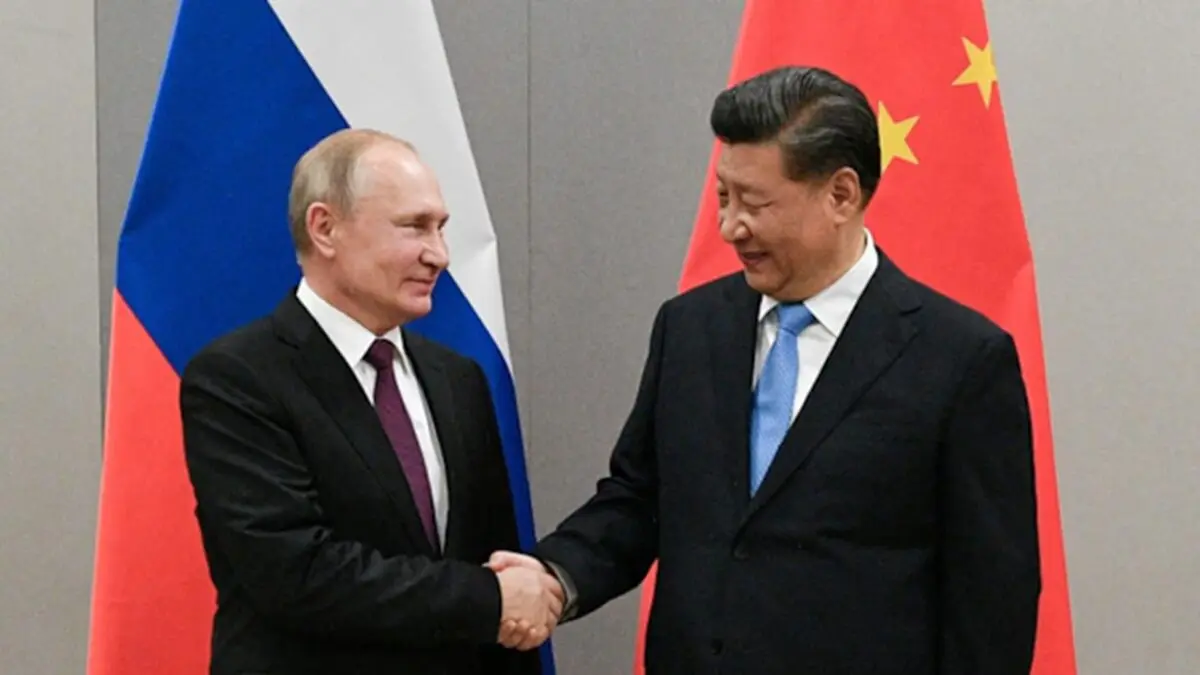
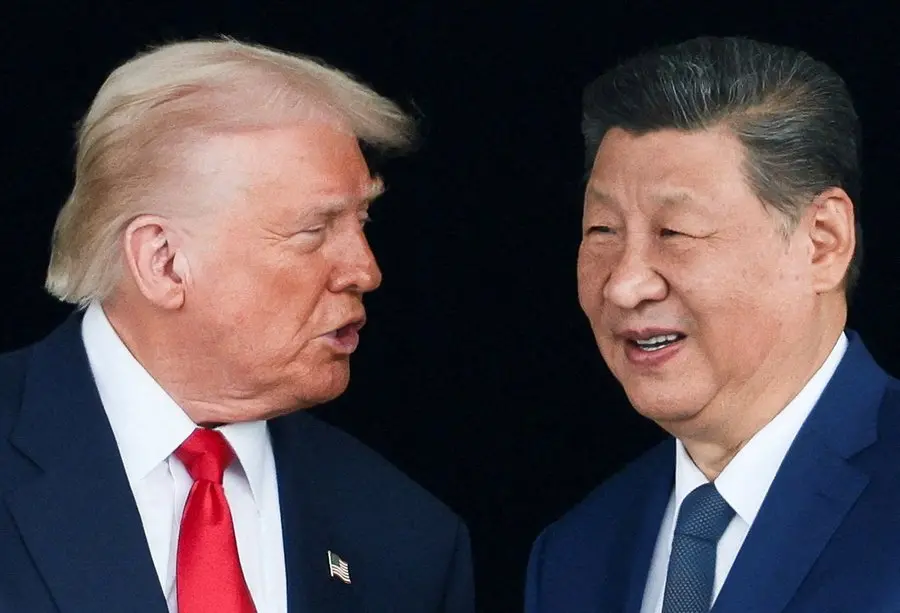
This year’s summit also highlighted an apparent easing of tensions in the U.S.–China trade conflict, following a bilateral meeting between Chinese President Xi Jinping and U.S. President Donald Trump in South Korea.
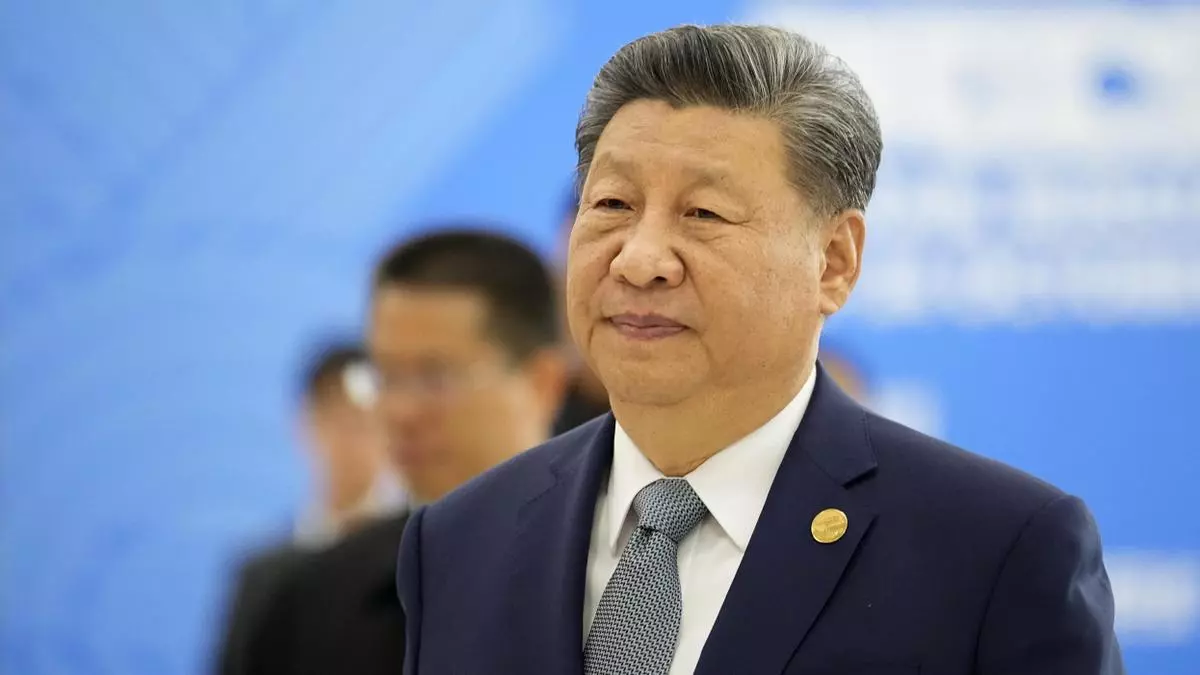
Xi positioned himself as a champion of free trade, calling for the creation of “an open regional economic environment” and the promotion of trade liberalization and investment facilitation.
Trump met with Xi on Thursday in the South Korean city of Busan, where the two leaders reached a series of agreements aimed at de-escalating trade tensions. The U.S. president returned to Washington later that day, skipping the leaders’ summit and leaving Treasury Secretary Scott Bessent to represent the United States.
President Lee is expected to meet with Xi on Saturday, with discussions set to include the denuclearization of North Korea — an objective that Pyongyang dismissed earlier in the day as a “fantasy.”
Meanwhile, Canadian Prime Minister Mark Carney plans to hold bilateral meetings with Japanese Prime Minister Sanae Takaichi and Chilean President Gabriel Boric.
Author: vmmh
Source: EFE